



Ganttify draws the same issues as the roadmap view in GitHub Projects. The difference shows up the first time an estimate slips.
Both draw bars on a timeline, and both draw them from the issues themselves, so neither has a copy of the plan that can go stale. The roadmap view positions items from date and iteration fields the project already has, with nothing to install. Ganttify reads the repositories and lays the same work out as a Gantt chart. What separates them is what each one does with the space between the bars.
One slipped estimate, two outcomes
Take the billing release from the previous post: a schema migration first, then a webhook handler and a pricing calculator that both wait on it, then a settings screen that waits on the handler. The migration turns out to need an unscoped backfill and runs six days longer than planned.
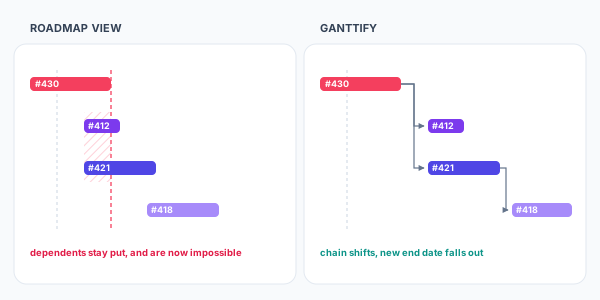
In the roadmap view, extending the migration moves one bar. GitHub records that the handler is blocked by the migration, and that link is useful for deciding what to pick up next, but the roadmap positions bars from date fields alone. The three dependent bars stay where they were, two of them now starting before the schema they need exists. Correcting it means dragging each one, in dependency order, and then checking whether the settings screen still lands before the release date. Four manual corrections for one changed estimate, and the same four the next time an estimate changes.
On the Ganttify chart the dependency between two issues is a constraint on their dates. Extending the migration pushes the handler and the calculator out with it, the settings screen follows the handler, and the release date moves to where the work now ends. The slip costs one drag, and the chart is never left showing a schedule that cannot happen.
For one repository with a handful of dependencies the roadmap view is enough. The chart earns its place the first time a slip turns into an afternoon of dragging bars.
The date without the repository seat
Once the release date has moved, someone outside the team asks what it is now. The roadmap view lives behind repository permissions, and making the project public doesn't change that: viewing an item requires permissions on the repository it belongs to. An account manager or a client gets a screenshot, which is out of date the next time anything moves.
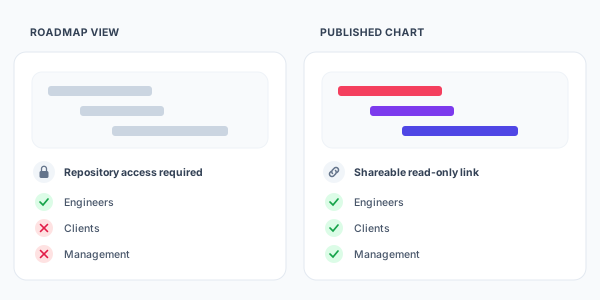
Ganttify publishes the timeline as an always up-to-date, read-only Gantt chart. Clients and management open the link and see the current plan, including the release date as it stands after the slip, and nobody provisions a repository seat to answer a scheduling question. The engineers keep working in GitHub; the people asking about dates read the chart.
One chart for the whole release
A release rarely lives in one repository. Ganttify puts the repositories you select on a single timeline, so a migration in the infrastructure repository and the settings screen in the web repository sit on the same chart with the dependency drawn between them. The roadmap view shows each project on its own; the chart shows the release.
The GitHub integration is in invite-only beta as this is written. Join the waiting list and we'll send an invite as we widen access.